
Grounds for Growth: A Vision for Success in the Coffee Business
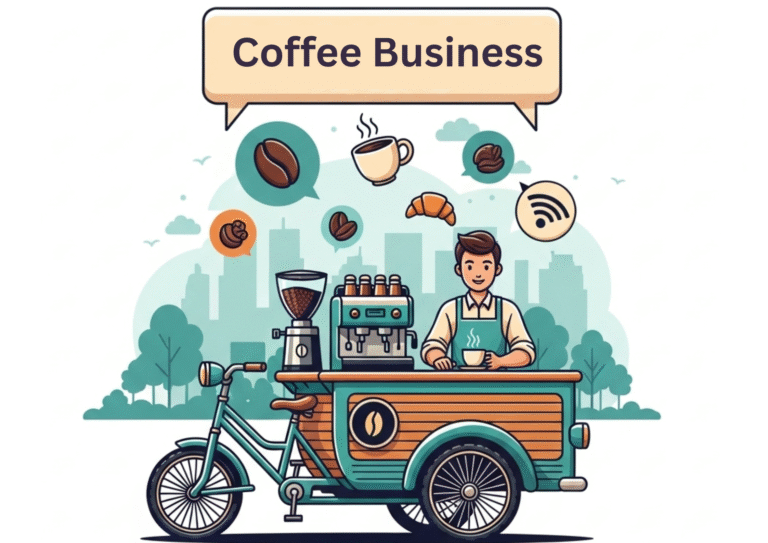
The coffee café business has evolved into a dynamic global industry with significant economic, social, and cultural implications. This article explores the benefits of establishing and operating a coffee café business, emphasizing its potential for economic development, community building, and personal entrepreneurship. Drawing upon current literature, the discussion highlights the profitability of the industry, the role of cafés in fostering social interaction, and the importance of sustainable practices. The article concludes with a vision for the coffee café business as a space that merges commerce, culture, and community well-being.
Coffee consumption is one of the most widespread cultural practices in the modern world. According to the International Coffee Organization (2023), coffee is the second most traded commodity globally, following oil. In this context, coffee cafés have emerged as not only centers for coffee consumption but also as hubs of community engagement, business networking, and cultural exchange. This paper aims to present a vision of how the coffee café business can be beneficial on multiple levels, including economic, social, and environmental dimensions. By analyzing the coffee café industry through these perspectives, this article outlines the advantages of pursuing entrepreneurship in this sector.
Economic Benefits of the Coffee Café Business
Profitability and Market Demand- The global coffee market is expanding rapidly, with Statista (2024) projecting revenues in the coffee segment to reach over $460 billion by 2027. Coffee cafés benefit from consistent consumer demand, as coffee has become a daily necessity for millions worldwide. Entrepreneurs in this industry can capitalize on repeat business, as coffee consumption is habitual, creating a stable customer base (Samoggia & Riedel, 2019).
Employment Opportunities- Cafés also contribute significantly to local economies by generating jobs. From baristas and managers to suppliers and distributors, the business sustains a wide variety of roles. In addition, small coffee shops often collaborate with local bakers, farmers, and artisans, thereby stimulating microeconomic development (Giovannucci et al., 2018).
Entrepreneurship and Innovation- The coffee café business also provides a platform for entrepreneurial innovation. Entrepreneurs can differentiate their businesses through unique branding, specialty coffee offerings, or the integration of technology (e.g., mobile ordering systems). This fosters creativity and promotes local economic resilience (Ponte, 2019).
Social and Cultural Benefits
Community Building- Coffee cafés function as more than just businesses, they are social spaces. Research indicates that cafés foster social connectedness by serving as “third places,” meaning spaces beyond home and work where individuals can gather informally (Oldenburg, 1999). Such spaces enhance social capital, improve mental well-being, and strengthen community cohesion.
Educational and Networking Opportunities– Coffee cafés often serve as venues for study, work, and networking. Many students, freelancers, and professionals choose cafés as alternative workplaces due to their inviting atmosphere and reliable internet connectivity (Baker, 2020). This creates an environment that supports productivity, collaboration, and learning.
Cultural Exchange- The café is a site of cultural diversity, offering opportunities for people to engage with different traditions through coffee varieties, brewing methods, and menu items. Specialty cafés that source ethically traded beans also raise awareness about global agricultural practices and fair trade (Samoggia & Riedel, 2019).
Environmental and Sustainable Benefits
Sustainable Sourcing Practices – With increasing consumer awareness of environmental issues, coffee cafés can play a crucial role in promoting sustainable consumption. By sourcing fair trade and organic coffee, cafés not only appeal to ethically conscious consumers but also support farming communities worldwide (Giovannucci et al., 2018).
Eco-Friendly Operations- Cafés adopting sustainable practices such as reducing single-use plastics, offering reusable cup incentives, or implementing energy-efficient technologies contribute to environmental protection. This aligns with global sustainability goals and positions the café as a socially responsible business (Ponte, 2019).
Challenges and Considerations- While the benefits are significant, entrepreneurs should also consider challenges such as high competition, fluctuating coffee prices, and the impact of global supply chain disruptions. Additionally, café owners must continuously innovate to meet changing consumer expectations regarding quality, convenience, and sustainability (Samoggia & Riedel, 2019).
The coffee café business offers diverse benefits that extend beyond economic gain. It provides employment, stimulates entrepreneurship, fosters community engagement, and promotes sustainability. With thoughtful planning and a clear vision, coffee cafés can serve as vital spaces that enrich both individual lives and society as a whole. This vision positions the coffee café business not only as a profitable venture but also as a meaningful contributor to global well-being.